
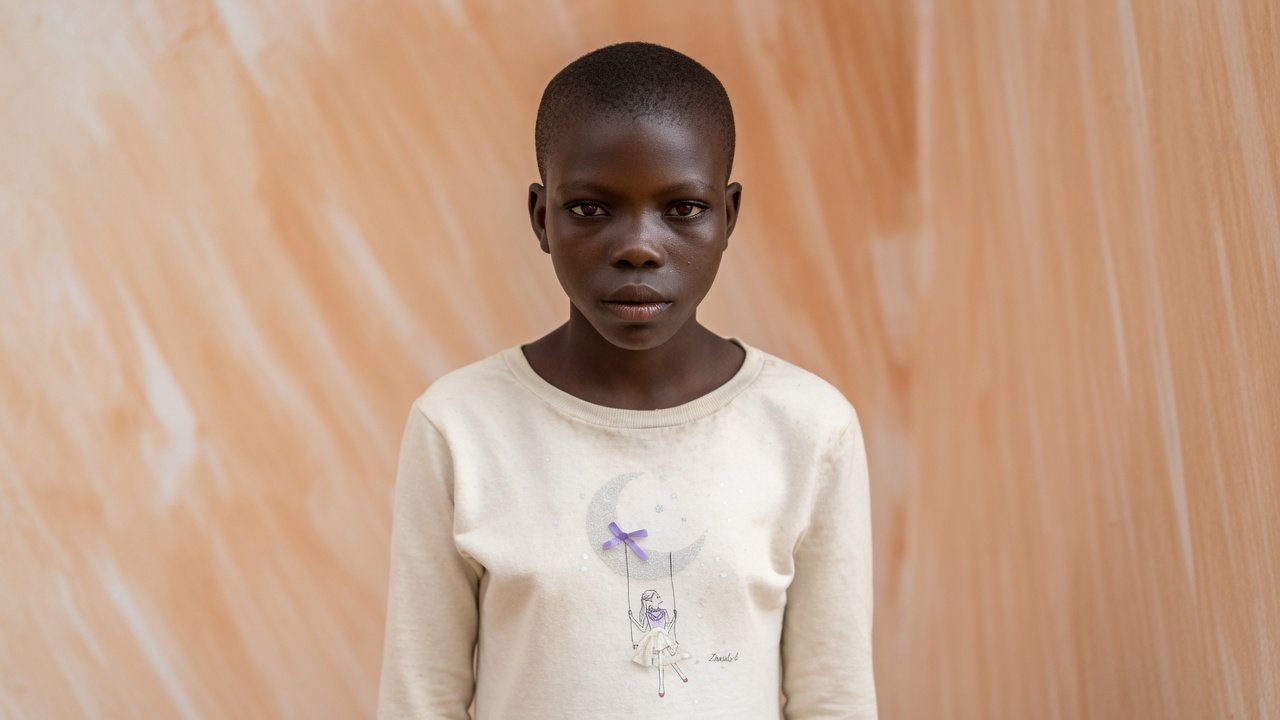

For decades, the Becheve communities of Obanliku Local Government Area, Cross River State, were known for many admirable qualities—their rich cultural heritage, breathtaking landscape, and resilient people. Yet one practice cast a long shadow over the community’s reputation: the “Money Woman” or “Money Marriage” tradition, where young girls were pledged into marriage to settle family debts or obligations. The practice denied many girls their childhood, education, dignity, and freedom.
Today, that story is changing.
Recent milestones have seen traditional rulers, community leaders, civil society organizations, and development partners work together to abolish the practice and facilitate the release of women who remained trapped in these marriages. In 2026, an agreement by the Becheve Traditional Council reaffirmed the total abolition of the practice and paved the way for the freedom of dozens of affected women.
While these achievements rightly deserve celebration, every movement has pioneers—people who began the difficult work long before it attracted national attention.
One such pioneer is Pastor Richards Akonam, Founder of Utanbech Missions International (Faith House).
A Voice Before the World Was Listening
More than three decades ago, Pst. Richards Akonam began missionary work among the Becheve people. His mission extended far beyond preaching from the pulpit. He immersed himself in the life of the community, building relationships, mentoring young people, promoting education, supporting families, and consistently sharing the biblical message that every human being is created in the image of God and deserves dignity, love, and freedom.
At a time when the “Money Woman” tradition was deeply rooted in the culture, speaking against it was neither fashionable nor easy. Change required patience, trust, and years of consistent engagement.
Rather than condemning the community, Pst. Akonam chose the more difficult path—walking alongside the people while gently pointing them toward a better future.
Building a Movement, Not a Moment
One of Pst. Akonam’s greatest contributions was recognizing that sustainable transformation would require many hands.
Through Utanbech Missions International, he welcomed pastors, missionaries, volunteers, churches, medical teams, educators, and development partners into Becheve. These partnerships expanded access to education, discipleship, healthcare, youth development, and community empowerment.
This collaborative approach helped create an environment where conversations about harmful traditional practices could take place with mutual respect rather than confrontation.
Instead of pursuing quick victories, he invested in changing hearts and raising a new generation equipped with biblical values, education, and hope.
Education as an Instrument of Freedom
Throughout his years of ministry, Pst. Akonam consistently emphasized education as one of the most effective tools for breaking cycles of poverty and harmful practices.
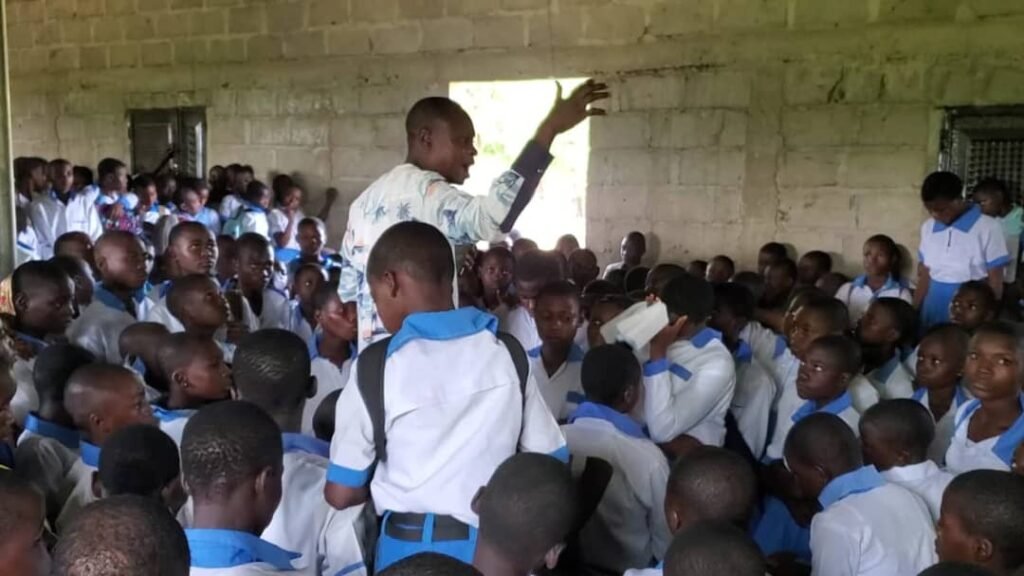
Schools became more than places of learning; they became centres of hope.
As more children—especially girls—gained access to education, new opportunities emerged. Families increasingly began to see daughters not as instruments for settling debts but as future teachers, nurses, entrepreneurs, professionals, and leaders.
This shift in mindset has been one of the quiet but profound transformations within the community.
A Foundation for Today’s Progress
The national and international efforts that culminated in the formal abolition of the “Money Woman” practice in 2020, and the continuing work to free affected women in 2026, stand on years of community engagement by many stakeholders. Civil society organizations, traditional rulers, government institutions, and international partners have each played vital roles in this progress.
Within that broader story, the decades of missionary presence by Pst. Richards Akonam and Utanbech Missions International helped lay important groundwork by nurturing trust, promoting education, strengthening families, and consistently affirming the God-given dignity of every person.
The Work Continues
Although remarkable progress has been made, healing continues.
Many survivors are rebuilding their lives. Some are returning to school. Others are learning vocational skills, raising families, and becoming advocates for girls’ rights. Communities continue to embrace dialogue that preserves their rich cultural identity while rejecting practices that harm women and children.
This is a reminder that transformation is rarely the work of one day or one organization. It is the result of faithful service over many years.
As Utanbech Missions International reflects on more than thirty years of ministry in Becheve, we give thanks to God for every life changed, every child educated, every family strengthened, and every partnership that has contributed to building a community where girls are valued, protected, and empowered.
The journey from tradition to transformation continues—but today, Becheve stands as a testimony that lasting change is possible when faith, compassion, education, and community leadership work together.